TIME SERVERS
NTP Time Server | Dual Channel GNSS-Locked 10 MHz OCXO Reference (NR2110D-O/G)
Dual-channel GNSS-locked NTP time server with OCXO 10 MHz reference, PPS, Ethernet, and dual-time-base design for resilient precision synchronization.
Protocols
NTP
GNSS
GNSS, GPS
Form Factor
Display
Oscillator
OCXO
Key Features & Specifications
- Dual-channel GNSS-locked NTP time server with OCXO 10 MHz reference, PPS, Ethernet, and dual-time-base design for resilient precision synchronization.
NTP Time Server with Dual-Channel GNSS-Locked 10 MHz OCXO Reference (NR2110D-O/G)
- Dual independent GNSS receivers with PPS and 10 MHz OCXO frequency reference
- Auto-calibration preserves GNSS-derived coefficients for OCXO holdover stability
- OCXO holdover stability: 5 ppb/day, 50 ppb/year; locked accuracy <1E-11
- Low phase noise: −145 dBc/Hz @ 1 kHz offset
- Dual-time base option with gapless counter monitors reference tolerance
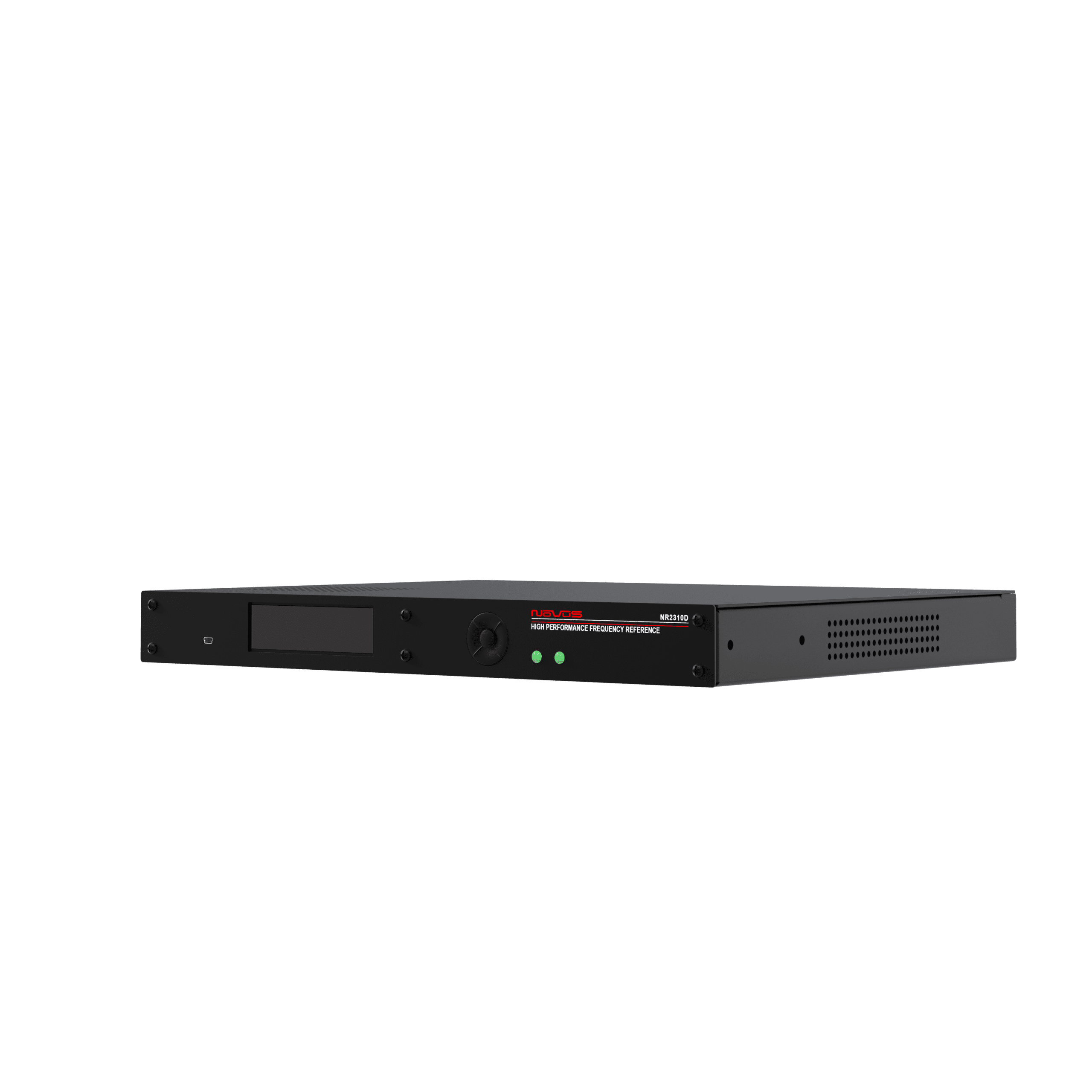
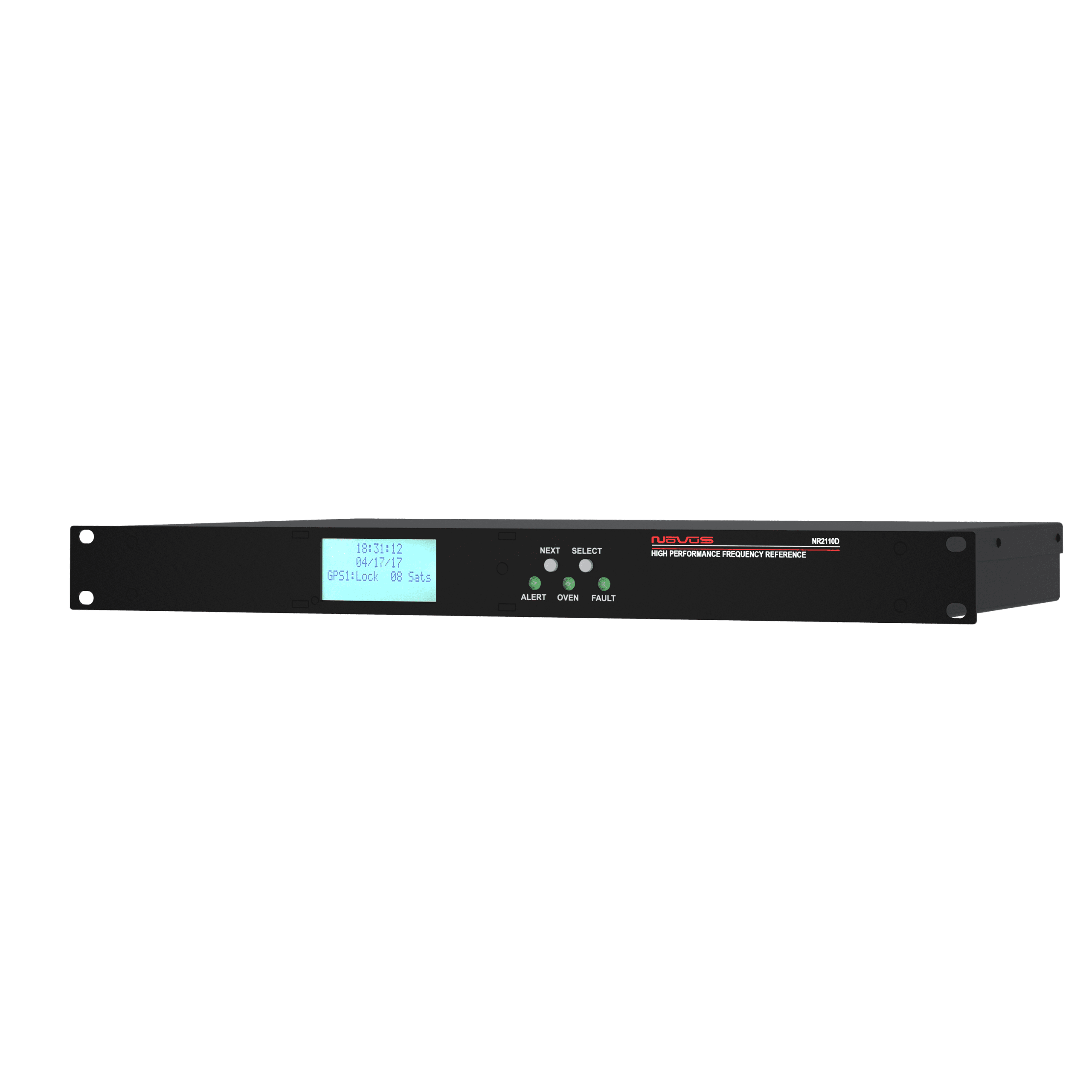
- Front-panel LCD with status LEDs for channel, antenna, oven, and system alerts
- Ethernet connectivity with NTP; supports SNMP and NMEA network monitoring
- Outputs are transient and fault protected; low-jitter PPS with PL-option
- Supports GPS, GLONASS, SBAS, and QZSS constellations for faster lock and reliability
- AC/DC power capability; rackmount chassis; BNC or SMA output connectors
The Novus NR2110D-O/G delivers precise time and frequency synchronization for laboratories, telecom systems, power utilities, and secure networks. Its dual GNSS receivers and OCXO frequency reference provide unmatched stability and reliability, even during GNSS loss-of-lock conditions. With integrated SNMP monitoring, Ethernet access, and front-panel status indicators, this NTP time server ensures continuous operation and simplified system diagnostics for demanding applications.
FAQ
- What happens if GNSS lock is lost?
Auto-calibration applies stored compensation coefficients, maintaining OCXO stability (5 ppb/day typical) until lock is restored. - Which satellite constellations are supported?
The system tracks GPS, GLONASS, SBAS, and QZSS to minimize lock time and enhance reliability. - How does the dual-time base option work?
It adds a second GNSS receiver and gapless counter that continually verifies the 10 MHz reference and warns of tolerance drift. - What connector options are available?
Choose between BNC or SMA outputs; a kit with an active GNSS antenna is also available.